
Blog
How to Know If You Need Sewer Line Repair in Scituate
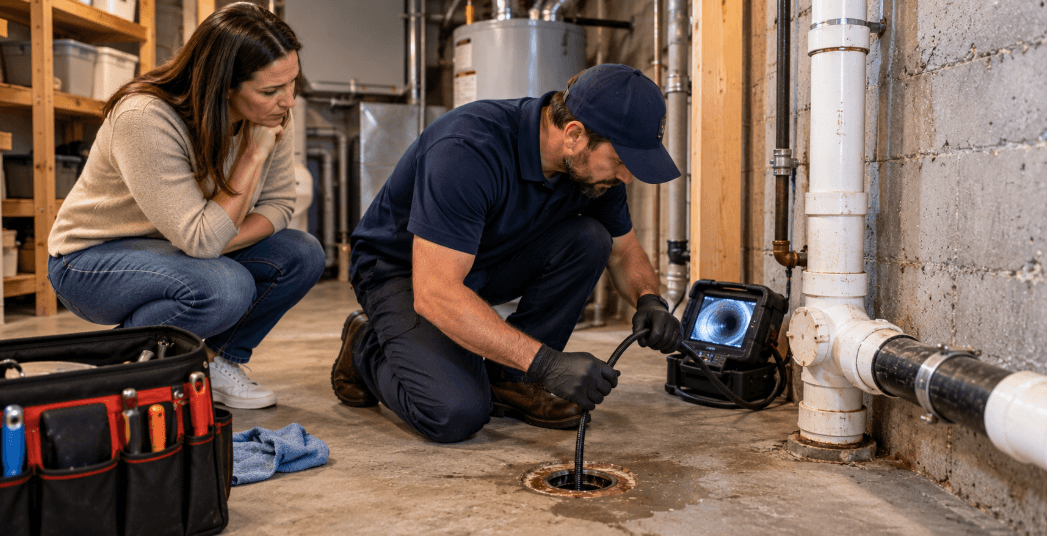
Sewer line problems can develop gradually and may first appear as multiple slow drains, recurring backups, unpleasant sewer odors, or unexplained wet spots in the yard. Learn how to recognize these warning signs, understand common causes of sewer line issues, and know when professional inspection or repair may be necessary for your Scituate home.
A slow drain is usually easy to dismiss. You may try clearing the sink, plunging the toilet, or flushing the line and assume the problem is solved. But what happens when several drains become slow, backups keep returning, or you start noticing unpleasant odors around your home?
These symptoms can sometimes point to a problem deeper in your plumbing system.
A sewer line carries wastewater away from your home, so a problem with this line can affect multiple fixtures at once. Homeowners in Scituate, Massachusetts, should pay particular attention when drainage issues occur in several areas of the house or continue returning after basic drain clearing.
Not every backup means your sewer line needs to be repaired. However, recognizing the warning signs can help you determine when professional evaluation makes sense.
What Is a Sewer Line Problem?
Your home's drainage system includes pipes that carry wastewater away from individual fixtures and eventually into the main sewer line.
A localized blockage might affect only one sink, shower, or toilet. A problem farther down the drainage system can affect several fixtures because multiple drains may eventually connect to the same main line.
Sewer line problems can involve different issues, including:
- Accumulated debris or buildup
- Tree root intrusion
- Cracked or damaged pipes
- Deteriorated pipe joints
- Misaligned pipe sections
- Significant blockages
- Other problems affecting wastewater flow
Because these issues can occur underground or in areas that aren't easily accessible, the symptoms inside your home may be the first indication that something is wrong.
How Is a Sewer Line Problem Different From a Clogged Drain?
One of the most important things for homeowners to understand is the difference between a localized drain clog and a possible sewer line problem.
Signs of a Localized Drain Clog
A typical localized blockage may affect one fixture.
For example, you might notice that:
- Your bathroom sink drains slowly.
- Your shower takes longer to drain.
- Your kitchen sink backs up.
- One toilet doesn't flush properly.
These problems can often be related to hair, soap residue, grease, food particles, or other material near the affected fixture.
If you're dealing with a single blocked drain, you may also find our guide on [what to do when your drain is clogged in Scituate] useful.
Signs the Problem May Be Deeper
A potential sewer line issue becomes more concerning when several fixtures are affected at the same time.
You might notice that the kitchen sink, bathroom drains, and toilets are all draining slowly or backing up.
This pattern can suggest that the problem isn't limited to one individual fixture. It may be farther down the drainage system.
6 Signs You May Need Sewer Line Repair
1. Multiple Drains Are Slow at the Same Time
One slow drain isn't necessarily a sign of a sewer line problem.
However, if several drains throughout your home suddenly become slow, it's worth paying attention.
For example, you may notice that the bathroom sink drains slowly while the shower is also backing up and the toilet isn't flushing normally. When multiple fixtures experience problems around the same time, the issue may be located farther down the drainage system.
This is particularly important if individual drain clearing only provides temporary relief.
2. Toilets Keep Backing Up or Drain Slowly
Repeated toilet backups can be another warning sign.
A single toilet that becomes blocked may simply have a localized obstruction. But if toilets repeatedly back up, particularly when other drains are also affected, there may be a deeper drainage issue.
Pay attention to whether flushing one fixture causes water to rise or move in another fixture. These unusual interactions can indicate that wastewater isn't flowing normally through the system.
3. Wastewater Backs Up Into a Sink, Tub, or Shower
Seeing wastewater come back through another fixture is something homeowners shouldn't ignore.
For instance, water may rise in a bathtub when a toilet is flushed, or a sink may begin filling when another fixture is used.
This can happen when wastewater encounters an obstruction farther along the drainage path. Instead of flowing away normally, the water may look for another available route.
If wastewater is involved, avoid repeatedly using affected fixtures until the problem can be properly assessed.
4. You Notice Persistent Sewer-Like Odors
Unpleasant odors around plumbing fixtures, drains, basements, or parts of your yard can sometimes indicate a drainage or sewer-related problem.
However, an odor by itself doesn't prove that the sewer line is damaged.
Other causes can include a dry drain trap, plumbing ventilation issues, or buildup inside a drain.
The situation becomes more concerning when persistent odors occur alongside other symptoms, such as recurring backups, multiple slow drains, or unexplained wet areas.
5. You Find Wet Spots or Unusually Lush Areas in the Yard
An unexplained wet or unusually lush area in your yard can sometimes be associated with an underground drainage problem.
If a section of your lawn remains noticeably wetter or greener than surrounding areas without an obvious explanation, it's worth paying attention to.
However, don't assume that every wet patch means there's a sewer leak. Rainfall, irrigation, groundwater, and drainage from other sources can produce similar conditions.
The combination of outdoor changes with indoor plumbing symptoms provides more reason to investigate.
6. The Same Drainage Problem Keeps Coming Back
Recurring drainage problems are another important warning sign.
You may clear a drain and notice that everything works normally for a few days or weeks. Then the same fixture starts draining slowly again.
Repeated problems can have several causes, including:
- Buildup inside the pipe
- Deeper blockages
- Tree roots
- Aging plumbing
- Damaged pipes
- Problems farther down the drainage system
For a deeper look at why drainage issues can repeatedly return, see our guide on [why Scituate homes can develop recurring drain problems].
A recurring problem doesn't automatically mean you need sewer line repair. It does mean the underlying cause may deserve closer attention.
Why Sewer Line Problems Can Keep Getting Worse
A partially blocked or damaged sewer line may continue allowing some wastewater to pass through, which can make the problem easy to overlook.
But restricted flow can eventually become more disruptive.
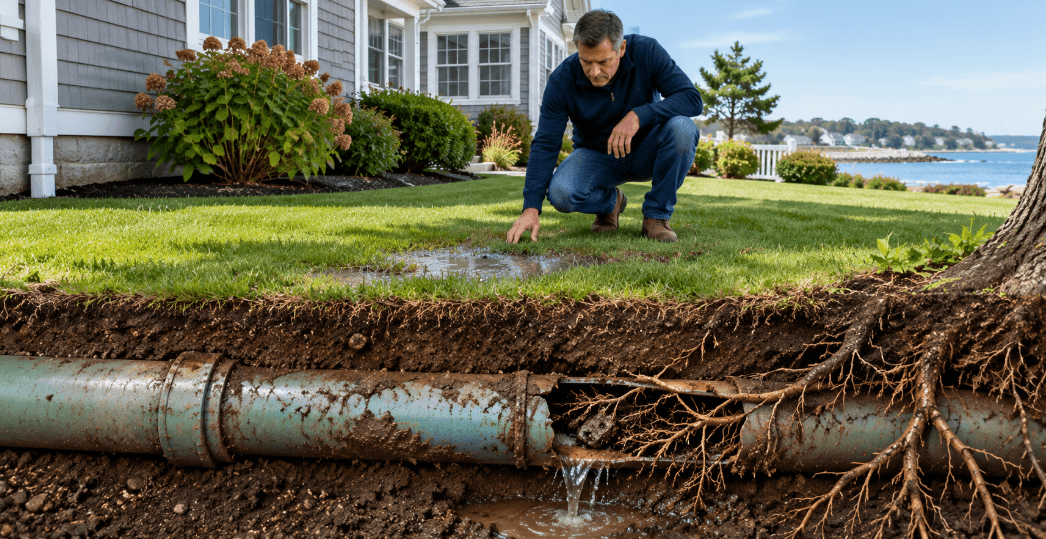
Several factors can contribute to ongoing sewer line problems.
Tree Root Intrusion
Tree roots can sometimes enter underground pipes through cracks, gaps, or damaged joints.
Once roots enter a pipe, they can interfere with wastewater flow and trap additional debris. This can contribute to repeated backups and slow drainage.
Pipe Damage or Deterioration
Underground pipes can develop cracks, deteriorated joints, misalignment, or other physical problems.
The condition of the pipe matters because clearing a blockage may not resolve an underlying structural issue.
Persistent Buildup
Grease, sediment, debris, and other materials can accumulate inside drainage pipes.
If enough material builds up, the available space for wastewater to flow can become restricted.
Can a Clogged Drain Cause Sewer Line Problems?
A localized clogged drain and a sewer line problem aren't necessarily the same thing.
A bathroom sink may become clogged because of hair and soap buildup, while a kitchen sink may slow down because of grease and food debris.
The concern is when drainage problems become repeated, widespread, or interconnected.
If several fixtures are affected or a blockage repeatedly returns after being cleared, it may be worth determining whether the problem is farther down the drainage system.
Instead of repeatedly treating the same symptom, homeowners can benefit from understanding what is actually causing the problem.
What Should You Do If You Suspect a Sewer Line Problem?
Start by paying attention to the pattern of the symptoms.
Ask yourself:
- Is only one fixture affected?
- Are several drains slow?
- Do backups keep returning?
- Does using one fixture affect another?
- Are there persistent unpleasant odors?
- Have you noticed unexplained wet areas outside?
- Does the problem return shortly after the drain is cleared?
These details can help a plumbing professional understand what may be happening.
Avoid digging into your yard to locate an underground pipe problem yourself. You should also be cautious about repeatedly using aggressive chemical drain cleaners, particularly when you don't know where the obstruction is located.
If multiple fixtures are affected or the problem continues despite basic drain clearing, professional evaluation is a sensible next step.
When Is Sewer Line Repair Necessary?
Not every sewer-related symptom means that the sewer line needs repair.
A professional evaluation may reveal that the actual problem is:
- A localized drain blockage
- Buildup inside a pipe
- A deeper obstruction
- Tree root intrusion
- A damaged section of pipe
- A fixture-specific plumbing problem
- Another drainage-system issue
Repair should be based on the actual condition and location of the problem.
This is important because homeowners shouldn't assume that a major repair is necessary simply because they experience a backup.
The right solution depends on what is causing the drainage problem.
How Scituate Plumbing Can Help With Sewer Line Problems
Persistent drainage issues can become frustrating, especially when you have already tried to clear the same problem more than once.
Scituate Plumbing can help homeowners in Scituate evaluate recurring drainage symptoms and determine an appropriate next step. If multiple fixtures are slow, backups continue to return, or you notice unusual odors or unexplained wet areas around your property, professional plumbing assistance can help determine whether the problem may extend beyond an individual drain.
For homeowners searching for drain and sewer repair in Scituate, understanding the source of the problem is an important first step before deciding what type of service or repair may be appropriate.
The goal isn't simply to get wastewater moving again temporarily. It's to understand why the problem is happening and address the underlying issue when necessary.
How to Prevent Drain and Sewer Problems
While not every sewer line issue can be prevented, good plumbing habits can reduce some common drainage problems.
Keep Grease and Cooking Oil Out of Drains
Grease can accumulate inside pipes and combine with other debris. Avoid intentionally pouring cooking grease and oil into kitchen drains.
Don't Flush Inappropriate Materials
Toilets should only be used for materials intended to be flushed. Items that don't break down appropriately can contribute to blockages farther along the drainage system.
Address Slow Drains Early
Don't wait until a slow drain becomes a complete backup. Recurring changes in drainage speed can provide an early warning that something needs attention.
Pay Attention to Multiple Fixtures
If several drains suddenly become slow, don't automatically assume that each fixture has a separate clog. The symptoms may be connected.
Don't Rely on Temporary Fixes
If the same drainage problem keeps returning, repeatedly clearing it without investigating the cause may only provide short-term relief.
Frequently Asked Questions About Sewer Line Problems
How do I know if my sewer line is clogged?
Multiple slow drains, recurring backups, toilet problems, wastewater appearing in other fixtures, and persistent drainage issues can indicate a blockage farther down the system. These symptoms don't confirm a sewer line clog by themselves, so professional evaluation may be needed.
Can multiple slow drains mean a sewer line problem?
Yes, multiple slow drains can sometimes indicate that a problem is located farther down the drainage system. When several fixtures are affected at the same time, the issue may not be limited to one sink, shower, or toilet.
Can a sewer line problem cause bad smells?
It can. Persistent sewer-like odors may sometimes be associated with drainage or sewer problems. However, odors can also have other causes, such as dry drain traps or ventilation issues. Other symptoms should be considered before determining the source.
What does a wet spot in my yard have to do with my sewer line?
An unexplained wet or unusually lush area can sometimes be associated with an underground drainage problem. However, rain, irrigation, and groundwater can cause similar conditions. If the wet area appears alongside recurring indoor plumbing problems, further evaluation may be worthwhile.
Can tree roots damage a sewer line?
Tree roots can sometimes enter underground pipes through cracks or damaged joints. Once inside, they can interfere with wastewater flow and trap additional debris, potentially contributing to recurring backups and drainage problems.
Should I keep using drain cleaner if my drains keep backing up?
Repeatedly relying on chemical drain cleaners isn't a substitute for finding the underlying cause of recurring backups. If the same problem continues returning, professional evaluation can help determine whether you're dealing with buildup, a deeper obstruction, root intrusion, or another plumbing issue.
Is sewer line repair always necessary when drains back up?
No. Backups can have many causes, and not every backup requires sewer line repair. A professional evaluation can help determine whether the issue is a localized blockage, deeper obstruction, pipe problem, or another drainage-system concern.
When should I call a plumber for a sewer line problem?
Consider professional assistance when multiple fixtures are affected, backups keep returning, wastewater appears in another fixture, persistent sewer-like odors develop, or unexplained wet areas appear around your property. Early evaluation can help identify the cause before the problem becomes more disruptive.
Don't Ignore Recurring Sewer and Drainage Warning Signs
A single slow drain doesn't necessarily mean your sewer line has a problem. But when multiple fixtures become slow, backups keep returning, unpleasant odors persist, or unusual wet areas appear in your yard, the pattern deserves attention.
The key is to distinguish a localized drain blockage from a problem farther down the drainage system. Understanding the symptoms can help you avoid repeatedly treating the same issue without addressing its underlying cause.
For homeowners in Scituate, Scituate Plumbing can help evaluate persistent drainage concerns and determine an appropriate next step. If you notice several warning signs occurring together, getting the problem assessed can help protect your home's plumbing system and prevent continued disruption.
Related service: Sewer Line Repair
Need help in Scituate? Request a free estimate.