
Blog
No Hot Water in Scituate? 7 Things to Check First
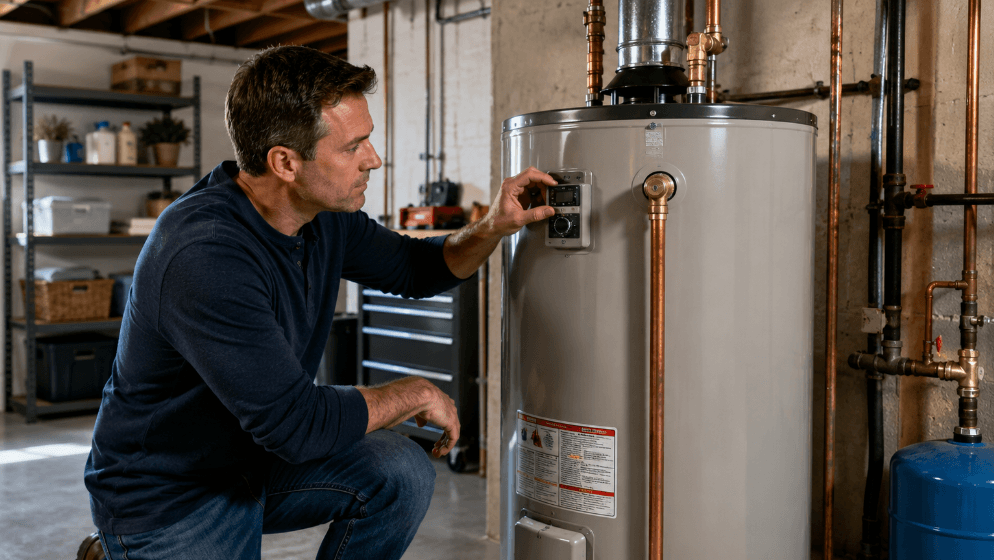
A sudden loss of hot water can disrupt your entire day. Learn seven things Scituate homeowners can safely check first, and when to call a professional for water heater repair.
Few household problems are more frustrating than turning on the shower and getting nothing but cold water. If your water heater suddenly stops producing hot water, the cause could be something relatively simple, such as a tripped breaker, or a more serious issue involving the tank, heating elements, thermostat, or gas supply.
Before assuming you need a new water heater, there are a few things you can safely check. Here are seven common reasons your hot water may have stopped working and when it makes sense to call Scituate Plumbing for professional help.
1. Check the Circuit Breaker
If you have an electric water heater, start by checking your home's electrical panel. A tripped breaker can interrupt power to the water heater and leave you without hot water.
Look for a breaker labeled for the water heater and see whether it has moved to the off or middle position. If it has tripped, you may be able to reset it once.
However, if the breaker trips again, don't keep resetting it. Repeated trips can indicate an electrical problem that needs professional attention.
Why this matters
A water heater that suddenly loses power may appear completely broken when the actual problem is electrical. Checking the breaker is a simple first step, but electrical components should not be opened or repaired by an unqualified homeowner.
2. Check the Thermostat Settings
Water heaters use thermostats to control water temperature. If the thermostat setting has been changed or a thermostat has stopped working properly, your water may not get hot enough—or may remain completely cold.
You can check the visible temperature setting without opening the unit or attempting electrical repairs.
If the settings appear normal but there is still no hot water, the thermostat or another internal component could be malfunctioning.
This is a good point to consider professional water heater repair in Scituate if basic troubleshooting does not solve the problem.
3. See Whether the Pilot Light Is Out
Gas water heaters typically use a pilot light or ignition system to heat the water. If the pilot light has gone out, the burner may not operate, and the water will remain cold.
Some homeowners may be able to relight a pilot light by following the manufacturer's instructions. However, don't attempt to relight it if you smell gas or notice anything unusual around the unit.
A strong gas odor requires immediate attention. Avoid flames, switches, or other potential ignition sources and contact a qualified professional.
If the pilot repeatedly goes out, the problem may involve the ignition system, thermocouple, gas supply, or another component that requires diagnosis.
4. Look for Water Around the Heater
Check the area around your water heater for signs of moisture or standing water.
A small amount of condensation may not necessarily indicate a major problem, but water coming from the tank, connections, valves, or pipes can signal a leak.
A leaking water heater shouldn't be ignored. Even a small leak can become worse and potentially cause water damage to floors, walls, or nearby belongings.
If you notice significant leaking, shut off the water supply to the unit if you can safely do so and contact a professional.
5. Make Sure You Haven't Simply Used All the Hot Water
Sometimes the water heater isn't actually broken. Your household may have simply used more hot water than the system could provide.
For example, several showers, laundry loads, and dishwasher cycles close together can quickly consume the available hot water. Tank-style water heaters need time to heat a new supply after the stored hot water has been used.
If hot water returns after giving the system enough recovery time, there may not be a mechanical problem.
However, if your household regularly runs out of hot water much faster than it used to, something may have changed. A failing heating element, thermostat problem, sediment buildup, or an undersized system could be contributing to the issue.
6. Pay Attention to Strange Noises
Have you started hearing popping, rumbling, banging, or other unusual sounds from your water heater?
These noises can sometimes be associated with sediment accumulating inside a tank. As the water heats, trapped water beneath sediment can create steam and contribute to popping or rumbling sounds.
Other unusual noises can also indicate mechanical problems.
If your water heater is becoming noisier while also producing less hot water, it's worth having the system inspected rather than waiting for it to stop working completely.
7. Consider the Age and Condition of the Water Heater
Water heaters don't last forever. As a unit gets older, components can wear out and problems may become more frequent.
Signs that an aging water heater may need professional attention include:
- Inconsistent water temperatures
- Frequent loss of hot water
- Rust or corrosion
- Water leaking from the tank
- Unusual noises
- Repeated repairs
- Higher-than-usual energy consumption
An older unit doesn't automatically mean you need a replacement. Depending on the problem and condition of the system, repairing a component may still make sense.
A professional inspection can help determine whether water heater repair in North Scituate is appropriate or whether replacement would be a more practical long-term option.
When Should You Stop Troubleshooting and Call a Professional?
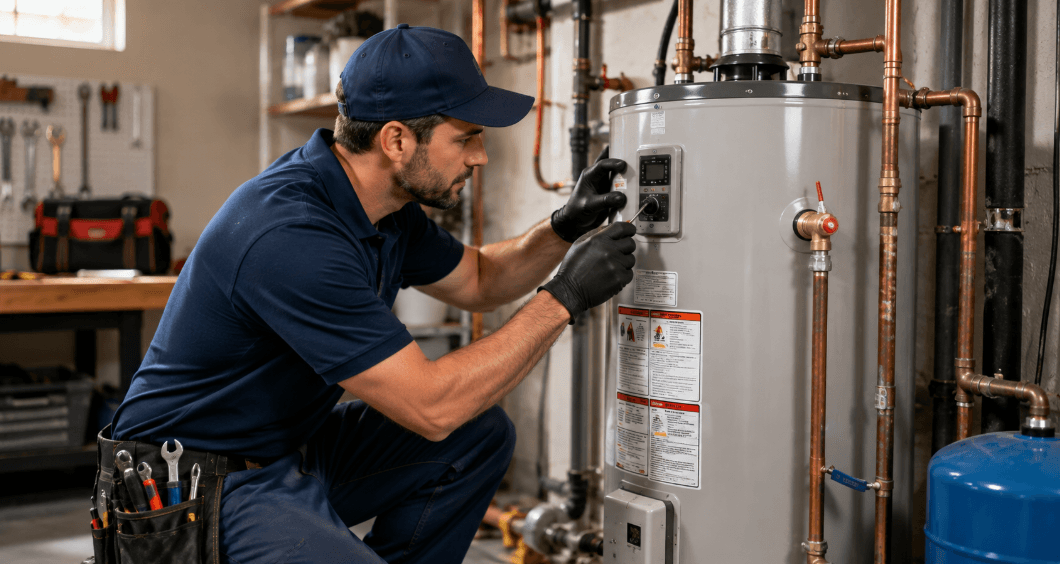
Basic checks can help identify simple problems, but water heaters contain electrical, gas, water, and high-temperature components. Trying to repair the wrong component yourself can create safety risks or make the damage worse.
Contact a professional if you notice:
- A significant water leak
- A strong gas smell
- Burning or electrical odors
- Repeatedly tripping breakers
- No hot water after basic checks
- Severe or unusual noises
- Visible damage to the water heater
- A unit that repeatedly stops producing hot water
When you're unsure about the cause, professional diagnosis is usually safer than experimenting with internal components.
How Scituate Plumbing Can Help
When a water heater stops working, the first challenge is figuring out why it stopped. Replacing the entire unit may not be necessary if the problem is caused by a repairable component.
Scituate Plumbing can help homeowners identify the source of water heater problems and determine the appropriate solution. Depending on the condition of the system, that may involve repairing a faulty component, addressing a leak, diagnosing inconsistent heating, or determining whether replacement is the better option.
For homeowners searching for water heater repair in Scituate, getting the problem properly diagnosed can help avoid unnecessary repairs and prevent a small issue from becoming a larger household problem.
The same applies to homeowners looking for water heater repair in North Scituate. Whether your water heater suddenly stopped producing hot water or has gradually become less reliable, professional troubleshooting can help identify the underlying issue.
Frequently Asked Questions
Why did my water heater suddenly stop producing hot water?
Common causes include a tripped breaker, faulty thermostat, failed heating element, extinguished pilot light, gas supply problem, sediment buildup, or a damaged water heater.
What should I check first when I have no hot water?
Start with simple and safe checks. For an electric unit, check whether the water heater's circuit breaker has tripped. For a gas unit, check for obvious pilot-light issues while following the manufacturer's safety instructions. Also look for leaks or visible damage.
Why does my water heater keep running out of hot water?
If this happens occasionally, your household may simply be using more hot water than the tank can store. Frequent or sudden changes in hot-water availability can indicate sediment buildup, a failing heating element, thermostat problems, or another issue.
Is a leaking water heater an emergency?
A significant leak can quickly cause property damage and should be addressed promptly. If the tank itself is leaking, the water heater may be nearing the end of its service life and require replacement.
Should I repair or replace my water heater?
The answer depends on the unit's age, condition, type of failure, repair cost, and history of previous problems. A professional inspection can help determine whether repair or replacement makes more sense.
When should I call a plumber for no hot water?
If basic checks don't restore hot water, or you notice leaking, gas odors, electrical problems, unusual noises, or visible damage, it's best to contact a qualified professional instead of attempting an internal repair.
No Hot Water? Don't Ignore the Problem
A sudden lack of hot water doesn't always mean your water heater needs to be replaced. A tripped breaker, pilot-light issue, thermostat problem, or temporary high demand may have a simpler solution.
However, persistent problems, leaks, unusual noises, or safety concerns shouldn't be ignored. If you're dealing with a water heater problem in Scituate or North Scituate, Scituate Plumbing can help identify the cause and determine the right next step.
Getting the problem diagnosed early can help restore reliable hot water and potentially prevent a minor issue from turning into a more expensive repair.
Related service: Water Heater Repair
Need help in Scituate? Request a free estimate.