
Blog
When Is a Plumbing Problem an Emergency in Scituate?
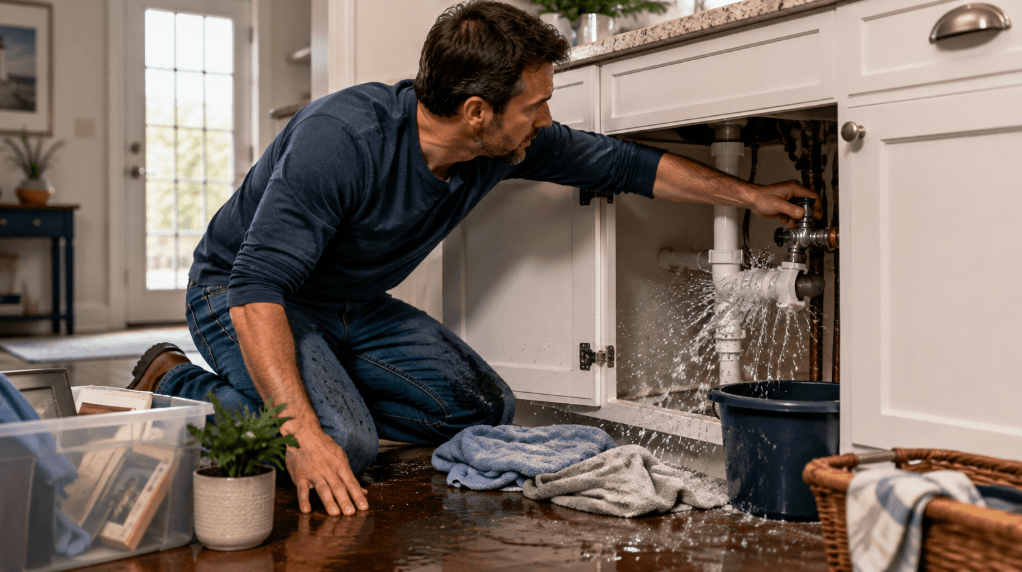
When a plumbing problem strikes, knowing whether it is a true emergency can help you act quickly and limit damage. Learn how Scituate homeowners can identify burst pipes, major leaks, sewage backups, and other urgent plumbing issues.
A plumbing problem can happen at the worst possible time. You may wake up to water spreading across the floor, discover a burst pipe late at night, or find sewage backing up through a drain. The difficult part is knowing whether you need immediate professional help or whether the problem can safely wait until the next day.
Not every leak, clog, or plumbing issue is an emergency. However, problems involving uncontrolled water, sewage, burst pipes, or potential property damage should be addressed quickly.
If you're wondering whether you need emergency plumbing in Scituate, MA, this guide can help you determine when a plumbing problem in Scituate requires immediate attention and what you can do while waiting for professional help.
What Makes a Plumbing Problem an Emergency?
A plumbing problem generally becomes an emergency when waiting could result in significant property damage, create a health or safety concern, or leave your home without an essential water service.
Some of the biggest warning signs include:
- Water flowing uncontrollably
- A burst or severely damaged pipe
- Sewage entering your home
- A major drain or sewer backup
- Water reaching electrical outlets or equipment
- A toilet or fixture that cannot be stopped from overflowing
- Significant flooding
- A leak inside a wall, ceiling, or other inaccessible area
- A plumbing problem that is rapidly getting worse
When you're unsure, consider the potential consequences of waiting. If several hours could turn a manageable problem into extensive water damage, getting professional assistance sooner is usually the safer choice.
1. A Burst Pipe Needs Immediate Attention
A burst pipe is one of the clearest examples of a plumbing emergency. Once a pressurized pipe breaks, water can continue flowing until the supply is shut off.
Even a relatively short delay can allow water to soak flooring, walls, cabinets, insulation, and personal belongings.
If a pipe bursts in your Scituate home, try to shut off the main water supply if you can safely access it. Then move valuables away from the affected area and contact a professional.
Don't attempt to repair a severely damaged pipe yourself unless you have the appropriate knowledge and equipment. The immediate priority should be stopping the water and limiting additional damage.
2. A Major Leak That Won't Stop
Not every leak requires an emergency response. A slow drip from a faucet is very different from water pouring from a pipe or connection.
A leak deserves immediate attention when:
- Water is spreading quickly
- You cannot identify where the water is coming from
- The shutoff valve doesn't stop the flow
- Water is entering walls or ceilings
- Flooring or cabinets are becoming saturated
- You notice new water damage
The longer an uncontrolled leak continues, the greater the potential for expensive damage. If you are searching for emergency plumbing near me because water is actively spreading through your home, don't wait for the situation to become worse before seeking help.
3. Sewage Is Backing Up Into Your Home
A sewage backup should be treated as an urgent plumbing problem.
Unlike clean water from a supply pipe, wastewater can contain harmful contaminants. Sewage entering through a toilet, shower, floor drain, or other fixture can create sanitation concerns and damage flooring and other materials.
Signs of a potential sewage backup include:
- Wastewater coming up through drains
- Multiple toilets or drains backing up
- Foul odors coming from drains
- Dirty water appearing in tubs or showers
- Toilets overflowing repeatedly
- Several plumbing fixtures becoming affected at the same time
Avoid direct contact with sewage water. Keep children and pets away from affected areas and seek professional assistance to identify and address the source.
4. You Have a Serious Drain or Sewer Backup
A single slow drain isn't necessarily an emergency. However, multiple drains backing up at the same time can indicate a larger problem.
For example, if your kitchen sink, bathtub, toilet, and other fixtures are all draining poorly or backing up, the problem may be farther down the drainage system.
Ignoring a serious backup can eventually result in wastewater entering the home.
If several fixtures are affected simultaneously, don't continue running water through the plumbing. Professional diagnosis can help determine whether the issue is a localized blockage or a larger drainage problem.
5. Water Is Near Electrical Equipment
Water and electricity are a dangerous combination.
If a significant plumbing leak has reached electrical outlets, appliances, wiring, or an electrical panel, don't attempt to investigate the affected electrical equipment yourself.
Stay away from wet electrical components and avoid entering areas where standing water may be in contact with electricity.
In this situation, safety comes before determining exactly where the plumbing problem started. Appropriate professional assistance should be obtained to address the plumbing issue and any resulting electrical hazard.
6. There Is No Water Throughout the Home
Losing water from one faucet isn't necessarily an emergency. A single fixture could have a localized valve or supply problem.
However, losing water throughout the entire house is different.
If no fixtures are receiving water and you haven't intentionally shut off the supply, there may be a significant issue affecting the home's water system.
The situation deserves prompt attention, especially if you also notice:
- Unusual sounds from pipes
- Visible leaks
- Sudden pressure changes
- Water pooling outside or inside the home
- Signs of pipe damage
A professional can help determine whether the problem is related to the home's plumbing system or another source.
7. A Small Problem Is Suddenly Getting Worse
Some plumbing emergencies don't begin as emergencies.
A small ceiling stain can become a steady leak. A slow drain can suddenly back up. A toilet that occasionally clogs can begin overflowing repeatedly.
Pay attention when a plumbing problem changes quickly.
For example, a minor leak that has suddenly increased in volume is more concerning than a small, stable drip. Similarly, a drain that has been slow for weeks but is now backing up wastewater should not be treated as an ordinary clog.
Rapidly worsening conditions are a good reason to seek professional help before the damage spreads.
Plumbing Problems That Usually Can Wait
It's also important to recognize that not every plumbing problem requires emergency service.
Assuming there is no active flooding, contamination, or significant property damage, some problems can generally be scheduled for regular service.
These may include:
- A slowly dripping faucet
- A mildly slow sink drain
- A toilet that occasionally runs
- Minor water-pressure concerns
- A small, contained leak that has been safely stopped
- A fixture that needs routine repair
- A water heater that isn't producing enough hot water but isn't leaking or creating a safety concern
These problems shouldn't necessarily be ignored. Delaying routine repairs for too long can allow them to become more serious. However, they may not require immediate after-hours attention.
What Should You Do Before Help Arrives?
If you have a genuine plumbing emergency, there are several practical steps you can take to reduce potential damage.
Shut Off the Water
If water is actively flowing and you can safely access your home's main shutoff valve, turning off the water supply can help limit additional damage.
For a localized problem, you may also be able to shut off the supply valve serving the affected fixture.
Protect Your Belongings
Move furniture, electronics, clothing, documents, and other valuables away from the affected area if it is safe to do so.
If water is coming through a ceiling, avoid standing directly underneath it because the ceiling material may become weakened.
Stay Away From Sewage
Don't walk through or handle sewage-contaminated water unnecessarily. Keep children and pets away from affected areas.
Avoid Electrical Hazards
If water has reached electrical equipment, don't touch wet switches, outlets, appliances, or wiring. Avoid entering potentially dangerous areas and seek appropriate professional assistance.
Document the Damage
Take photos or videos of visible water damage when it is safe to do so. Documentation may be useful for your records and, where applicable, insurance purposes.
Don't Attempt Major Repairs
Trying to disassemble pipes, fixtures, or other plumbing components without the right experience can make the situation worse. Focus on stopping or limiting the damage and getting the appropriate professional help.
How to Decide if You Need Emergency Plumbing
If you're searching for a 24-hour emergency plumber in Scituate, MA, ask yourself a few basic questions:
Is water actively flowing?
If yes, determine whether you can safely stop it.
Is sewage entering the home?
If yes, avoid contact and seek prompt professional assistance.
Could waiting cause significant property damage?
If water is spreading into walls, ceilings, floors, or other areas, waiting could make the problem substantially worse.
Is there a potential safety hazard?
Water near electrical systems or other dangerous conditions should be treated seriously.
Is the problem getting worse quickly?
Rapid changes can indicate that a small issue has developed into a larger failure.
This simple assessment can help you determine whether you should seek immediate assistance or schedule a routine repair.
Scituate Plumbing Can Help With Plumbing Emergencies
When a serious plumbing problem occurs, homeowners often don't know exactly where the problem is coming from. A visible puddle may only be a symptom of a leak hidden behind a wall, beneath a floor, or somewhere in the plumbing system.
Scituate Plumbing can help homeowners in Scituate identify the source of urgent plumbing problems and determine the appropriate next step. Whether you're dealing with a burst pipe, significant leak, backup, or another plumbing issue, professional diagnosis can help address the underlying problem rather than simply treating what is visible.
For homeowners in Scituate and nearby areas such as North Scituate, getting the situation assessed promptly can help limit damage and restore normal plumbing service.
If you're searching for emergency plumbing near me or a 24-hour emergency plumber near me, first determine whether you're dealing with an active emergency. When water is spreading, sewage is backing up, or a plumbing failure could cause significant damage, prompt professional assistance can make a meaningful difference.
Don't Wait When a Plumbing Problem Is Getting Worse
Knowing the difference between a routine plumbing repair and a genuine emergency can help you respond appropriately without unnecessary stress.
A dripping faucet or slow drain may be able to wait for a scheduled appointment. A burst pipe, uncontrolled leak, sewage backup, or water-related safety hazard is a different situation.
When you're dealing with a serious plumbing problem in Scituate, taking action early can help limit water damage and prevent the situation from becoming more complicated. Scituate Plumbing can help identify the cause of the problem and determine the appropriate repair when professional assistance is needed.
Frequently Asked Questions
What is considered a plumbing emergency?
A plumbing emergency generally involves uncontrolled water, a burst pipe, significant flooding, sewage entering the home, a major backup, or another problem that could cause serious property damage or create a safety concern if it isn't addressed promptly.
Is a leaking pipe always an emergency?
No. A small, contained leak that has been safely stopped may be able to wait for routine service. However, a leak that is rapidly spreading, cannot be stopped, or is damaging walls, ceilings, floors, or belongings should be addressed promptly.
Is a clogged toilet an emergency?
A single clogged toilet isn't usually an emergency if another toilet is available and there is no overflow. However, a toilet that repeatedly overflows, cannot be stopped, or is part of a larger sewage backup requires more urgent attention.
What should I do if a pipe bursts?
If it is safe to do so, shut off your home's main water supply to limit additional damage. Move belongings away from the affected area, stay away from electrical hazards, and contact a professional to assess and repair the damaged pipe.
Should I call an emergency plumber for a sewer backup?
A sewer backup entering your home should be treated as an urgent problem because wastewater can contain contaminants and cause significant damage. Avoid direct contact with the wastewater and seek professional assistance.
Can a plumbing leak wait until morning?
It depends on the severity of the leak. A small, stable drip may be suitable for routine service, while an uncontrolled leak, rapidly spreading water, or water entering walls or ceilings should not be ignored overnight.
When should I search for a 24-hour emergency plumber near me?
Consider searching for emergency plumbing assistance when you have a burst pipe, uncontrolled leak, sewage backup, major flooding, or another plumbing problem that could cause significant damage or create a safety concern if left until normal service hours.
Related service: Emergency Plumbing
Need help in Scituate? Request a free estimate.